Life in Ruins: A Ukrainian Family's War Experience
"Hollow Home" is a powerful and emotional video game that sheds light on the often-overlooked experiences of civilians during wartime in Ukraine. By immersing players in the daily struggles of ordinary people living under siege, the game humanizes the effects of war beyond mere combat narratives.
By Lena Singh·2026-08-17
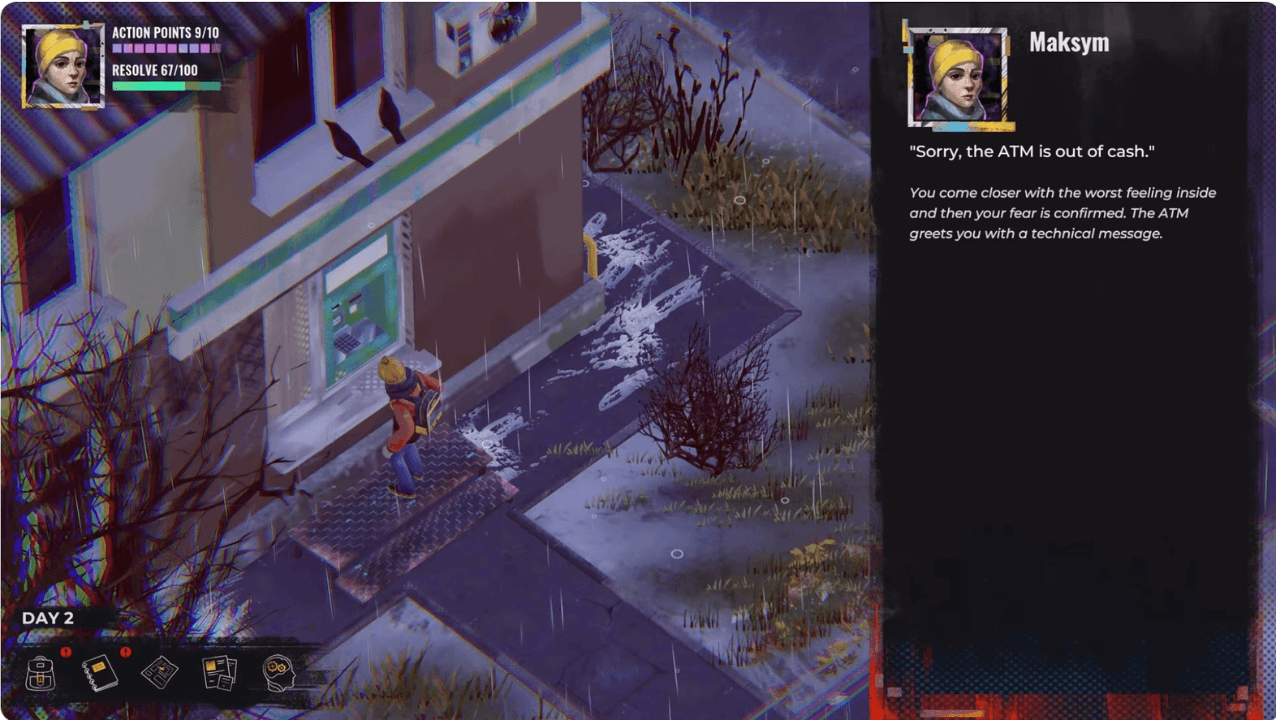
Unpacking the Human Cost of War: A Glimpse into the Daily Struggles of Civilians
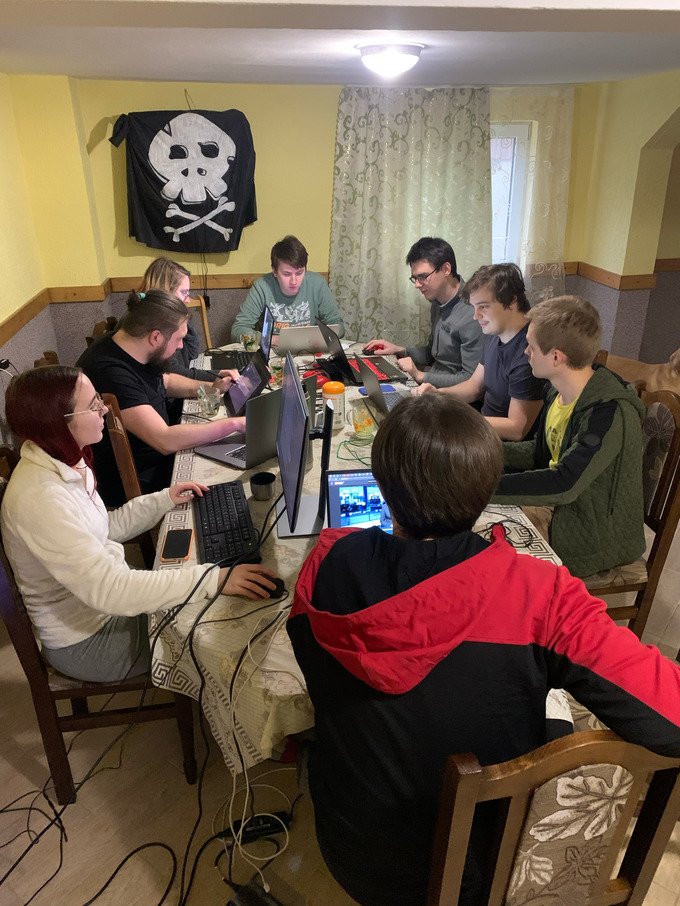
In the midst of the ongoing conflict in Ukraine, a team of developers based in Kyiv is pouring their hearts and souls into creating a narrative-driven game that puts the civilian experience front and center. Hollow Home, the brainchild of Twigames, is an ambitious project that delves into the intricate web of survival, community, and difficult choices faced by ordinary people during times of war. As we navigate the complex emotional landscape of this story-driven game, it's essential to acknowledge the very real concerns of some Ukrainians who have expressed reservations about playing Hollow Home.
One of the primary reasons for these concerns is the unsettling familiarity that many players may experience while immersing themselves in the world of Hollow Home. For those who have lived through the Russian invasion, the game's portrayal of everyday struggles, such as food and water shortages, power outages, and the constant threat of violence, can be hauntingly relatable. The creators of the game have taken great care to ensure that every aspect of the experience is grounded in reality, from the aesthetic design to the narrative voiceovers. However, this very authenticity can be both a blessing and a curse for those who feel like they are staring into the abyss.
Twigames' co-founder and lead developer, Mykola Turchak, has spoken publicly about the team's passion project and their desire to humanize the often-maligned narrative of war. By focusing on the personal stories and experiences of civilians, the developers aim to challenge the dominant narratives that tend to center around soldiers and politicians. As Turchak aptly puts it, "We want players to understand that the war is not just about bombs and guns; it's also about people struggling to survive." This commitment to storytelling over spectacle is what sets Hollow Home apart from other games and makes it a standout in its genre.
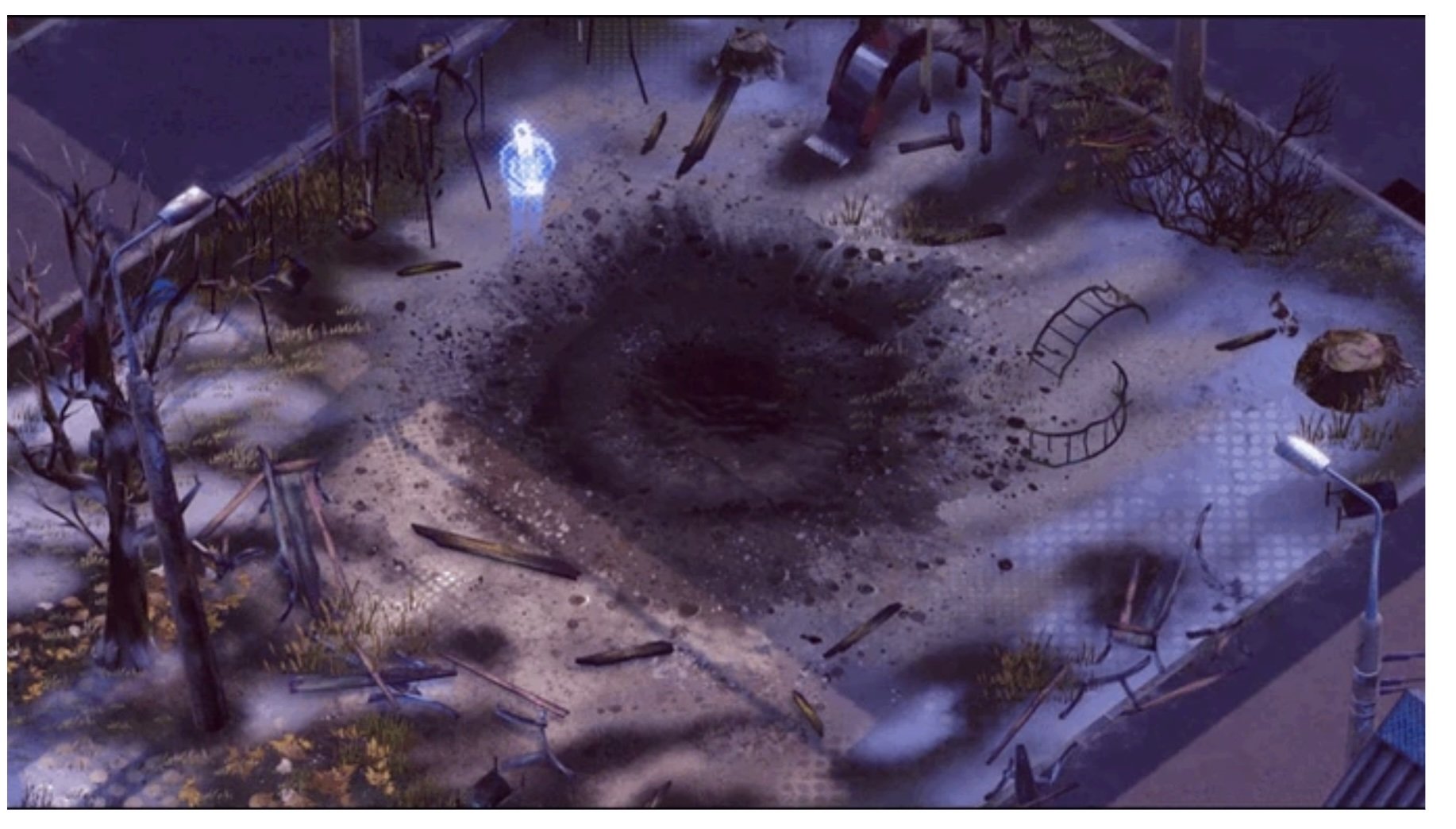
As players embark on their journey through Hollow Home, they are presented with a series of difficult choices that can have far-reaching consequences. From deciding whether to prioritize food or medicine for their loved ones to navigating the treacherous landscape of social politics, every decision feels weighty and impactful. The game's narrative is designed to be flexible and adaptable, allowing players to shape the story in ways that are both satisfying and thought-provoking. While some may find this level of agency unsettling, others will see it as a testament to the developers' commitment to authenticity.
One of the most striking aspects of Hollow Home is its use of voice acting and sound design. The game's narrative is woven together with a rich tapestry of sounds that transport players to the war-torn streets of Ukraine. From the rumble of artillery fire to the quiet desperation of everyday conversations, every sonic detail feels meticulously crafted to evoke a sense of immersion. This attention to audio detail is a hallmark of the developers' approach, which prioritizes emotional resonance over visual spectacle.
The impact of Hollow Home extends far beyond its narrative and gameplay mechanics, however. By shedding light on the experiences of civilians during wartime, the game serves as a poignant reminder of the human cost of conflict. It's a powerful indictment of the ways in which war often forgets the everyday people caught in its midst, instead focusing on the heroic deeds of soldiers and leaders. As we play through Hollow Home, we're reminded that even in the darkest moments, there is always hope for humanity to persevere.
For those who have lived through the Russian invasion, playing a game like Hollow Home can be both cathartic and unsettling. While it's impossible to fully capture the complexity of human experience in any medium, the developers' dedication to authenticity and their commitment to storytelling make this game an essential listen – or rather, play – for anyone seeking to understand the civilian side of war.
One Ukrainian gamer, who wished to remain anonymous, shared her concerns about playing Hollow Home. While acknowledging the importance of sharing these stories, she worried that the experience could be too intense for some players: "I want to play this game, but I'm scared. What if it brings back memories I thought were buried? What if it makes me feel like I'm reliving it all over again?" These concerns are not unfounded; however, they also underscore the value of Hollow Home as a tool for processing and understanding the trauma of war.
In a world where conflict is increasingly omnipresent, games like Hollow Home offer a unique opportunity for empathy and understanding. By centering the narrative around civilians rather than soldiers, developers can create an experience that feels both deeply personal and universally relatable. As we continue to navigate the complexities of modern warfare, it's more crucial than ever that we listen to the stories of those most affected by conflict.
Hollow Home is a powerful reminder that even in the darkest moments, humanity perseveres. The game's themes of survival, community, and difficult choices are as relevant today as they were when the development process began several years ago. It's an honor for Twigames to have taken on this challenge, sharing their vision with the world, one narrative-driven moment at a time.
As we reflect on Hollow Home, we're reminded that storytelling is key to understanding our shared humanity. Whether through music, film, literature, or games like this, these mediums offer us the chance to explore the complexities of war and its effects on civilians. The developers behind Hollow Home have shown us that even in the darkest moments, there is always a story worth telling – and one worth listening to.
In an era where our attention spans are stretched thinner than ever before, games like Hollow Home prove that immersive narratives can be both thought-provoking and emotionally resonant. By shedding light on the lives of ordinary people caught up in conflict, these developers offer us a glimpse into the unseen side of war – one that is just as compelling as any Hollywood blockbuster.
Ultimately, Hollow Home serves as an important reminder of our shared humanity in times of conflict. As we engage with this game, we're not merely playing a narrative-driven experience; we're participating in a broader conversation about what it means to be human during the darkest moments.