Narrowing The Funding Divide Is The Next Big Leap For Black Founders In The AI Revolution
Black founders in the AI industry are poised to close the long-standing gap between their access and opportunities. As the AI era continues to grow, these entrepreneurs will have a chance to break down barriers and redefine the future of innovation.
By Cedric Parker·2026-07-28

Closing The Series A Gap Is The Next Great Opportunity For Black Founders In The AI Era
While 2026 has shown encouraging signs, with Black-founded startups raising approximately $643 million by late May, the strongest quarter since mid-2022, the improvement was driven largely by a handful of unusually large financings. However, it's essential to note that this progress is not solely due to the increased fundraising efforts of Black founders but also a result of strategic investments and mentorship. James Norman and Sean Green, co-founders of Black Operator Ventures, share their thoughts on how Black founders can close the Series A gap.
According to Norman and Green, one of the key strategies for Black founders is to build relationships with venture capitalists who are committed to supporting underrepresented groups in tech. By establishing these connections, Black founders can gain access to valuable advice, guidance, and potential funding opportunities that may not be available through traditional channels. Furthermore, joining incubators and accelerators that cater specifically to diverse founders has also proven instrumental in securing Series A investments. For instance, the likes of 500 Startups' Urban Venture Fund and Tech Coast Angels' Black Business Accelerator have played a significant role in nurturing the growth of Black-founded startups.
Another crucial aspect highlighted by Norman and Green is the importance of networking and community-building within the entrepreneurial ecosystem. By connecting with other founders who share similar experiences, challenges, and aspirations, Black founders can gain valuable insights into what has worked for others in their industry and learn from their successes and setbacks. This collective support system not only fosters an environment of trust and collaboration but also encourages Black founders to push beyond perceived limitations and strive for more ambitious goals.
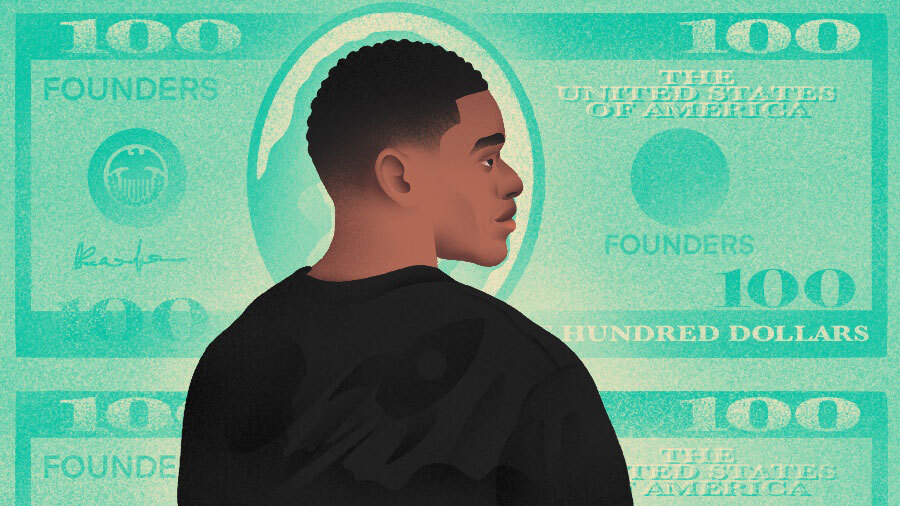
To address the series A funding gap head-on, Norman and Green emphasize the need for systemic changes within venture capital firms themselves. Specifically, they advocate for increased diversity and inclusion initiatives that actively seek out and support underrepresented groups in tech. This can involve implementing targeted training programs for investors, as well as revising portfolio selection criteria to prioritize founders who embody the values of diversity and equity. Moreover, these efforts should also extend to providing resources for Black-founded startups that are looking to scale and expand their operations beyond Series A funding.
As AI reshapes startup ecosystems worldwide, it is crucial that Black founders develop a solid understanding of this emerging technology landscape. By staying informed about advancements in AI-powered tools and applications, they can position themselves better to capitalize on opportunities that will arise from the growing demand for AI-driven solutions. Moreover, by engaging actively with these technologies, Black founders can also address pressing social issues such as inequality, bias, and job displacement – all of which are likely to be exacerbated by the increasing adoption of AI in various industries.
Another critical consideration highlighted by Norman and Green is the significance of securing federal funding for research and development initiatives focused on AI. By investing in institutions that prioritize diverse perspectives and collaborations, policymakers can create opportunities for Black-founded startups to work alongside leading researchers from academia, government, and industry. This cross-fertilization of ideas will not only drive innovation but also help bridge the gap between theoretical advancements and practical applications.
Ultimately, closing the series A gap is about creating a more inclusive entrepreneurial ecosystem that values diversity, equity, and inclusion. By working together with venture capitalists, policymakers, and other stakeholders, Black founders can unlock their full potential as innovators, disruptors, and leaders in the AI era. As Norman and Green so aptly put it, "When we support one another, we create a culture of innovation that benefits everyone – not just those who have been historically marginalized."